
![[object Object]](https://api.timelessadventures.co/assets/kalemegdan-2.jpeg?w=3840&q=85)
The Kalemegdan Fortress is not perceived as a single structure but as a whole landscape of history. As you approach through the park, between the trees and paths, the ramparts gradually emerge, and then the space suddenly opens up to the confluence of the Sava and Danube rivers. At this point, where the rivers meet, Belgrade appears as a city that has simultaneously emerged from water, stone, and the continuous movement of people.
There are few points in this part of Europe where geography and history intertwine so clearly. High above the confluence, the fortress has controlled the view, approaches, and directions of movement for centuries. Today, the same space is traversed by walkers, tourists, and families, but the sense of strategic position has not disappeared. It is enough to stand on the walls and look down the rivers to understand why this place has been so important for generations that have built, fought, and left their marks here.
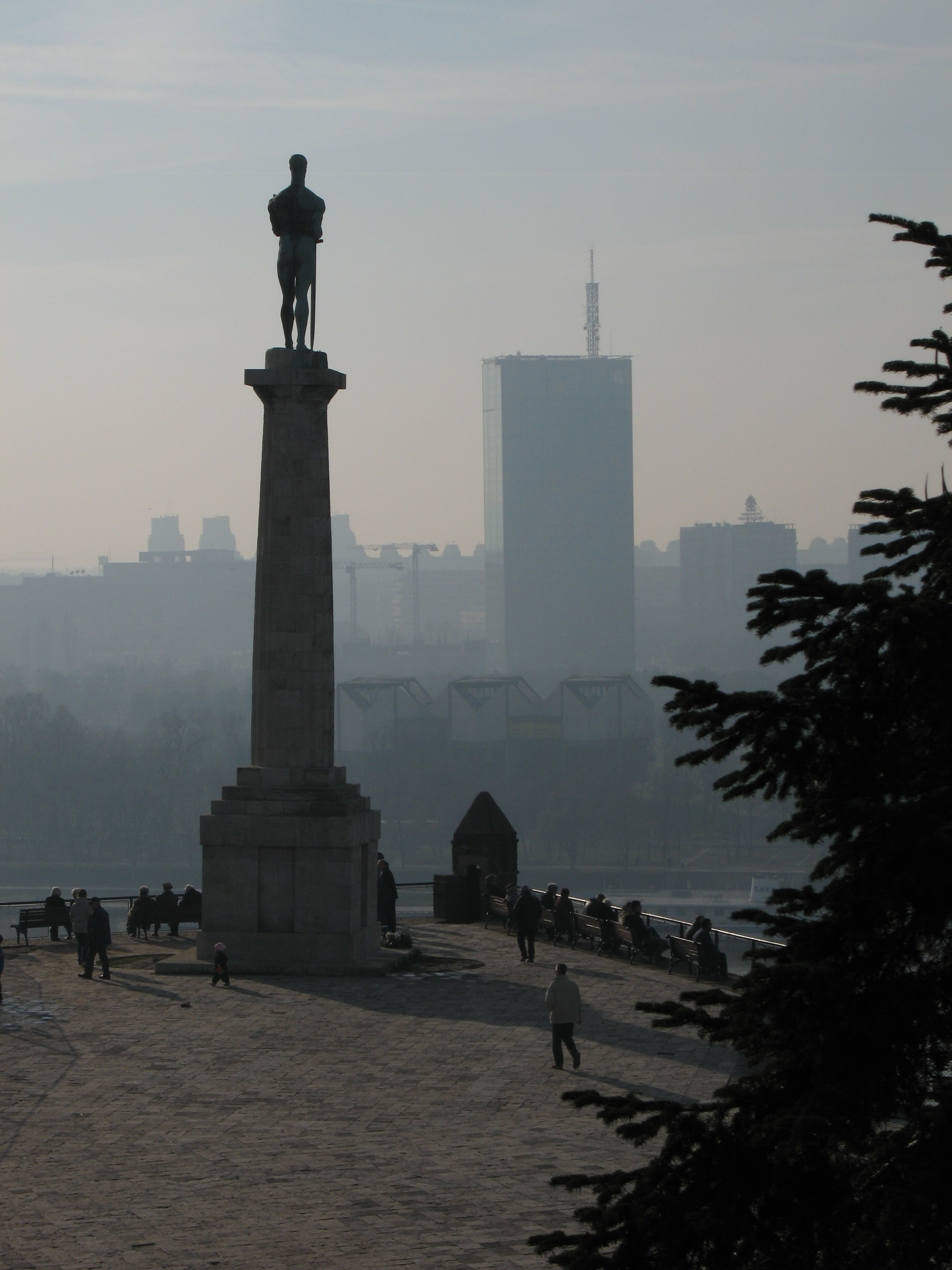
Winner
Below the layers of today's Kalemegdan lies the deeper history of the city. Roman Singidunum, medieval Belgrade, Ottoman and Austrian phases of fortification — each era has destroyed and rebuilt what it found. Therefore, the Kalemegdan Fortress is not just a monument of one time, but a layered record of changes in power, technology, and urban life. Within its gates, bastions, and walls, one can read the history of a city that has changed masters multiple times but has never lost its significance.
Kalemegdan
![[object Object]](https://api.timelessadventures.co/assets/kalemegdan-1.jpeg?w=3840&q=85)
A walk through the fortress changes the rhythm step by step. One part feels like an urban park and viewpoint, open and lively, while just a few minutes later, the space becomes more serious: massive walls, stone passages, and defensive lines revive the sense that this was once a boundary. It is precisely this transition between the everyday and the monumental that makes Kalemegdan special. Here, history is not separate from the city—it is part of its daily life.
The most powerful moment remains the view from the ramparts. From that height, Belgrade is seen not just as a collection of streets and buildings but as a meeting place of landscapes and epochs: rivers, plains, old urban layers, new bridges, and a modern horizon. In this scene, the essence of Kalemegdan is encapsulated—the fortress not only protected the city but also shaped the way the city developed and understood itself.
In the early evening, when the light softens and shadows stretch across the stone, the fortress takes on a new dimension. The sounds of the city remain present, but the space feels quieter and older, as if it momentarily returns to its original rhythm. At that moment, Kalemegdan most clearly reveals its dual nature: it is both a gathering place and a place of memory, an urban promenade and a historical observatory.
Today, the Kalemegdan Fortress attracts visitors for its views, walks, and atmosphere, but its true strength lies in its ability to allow Belgrade to be understood through space. Here, the past is not viewed behind glass; it is in the line of the ramparts, in the layers of stone, and in the horizon where the Sava flows into the Danube. This is a place where the city and its history still speak the same language.
If you are planning a visit, all practical information can be found in a separate location guide.